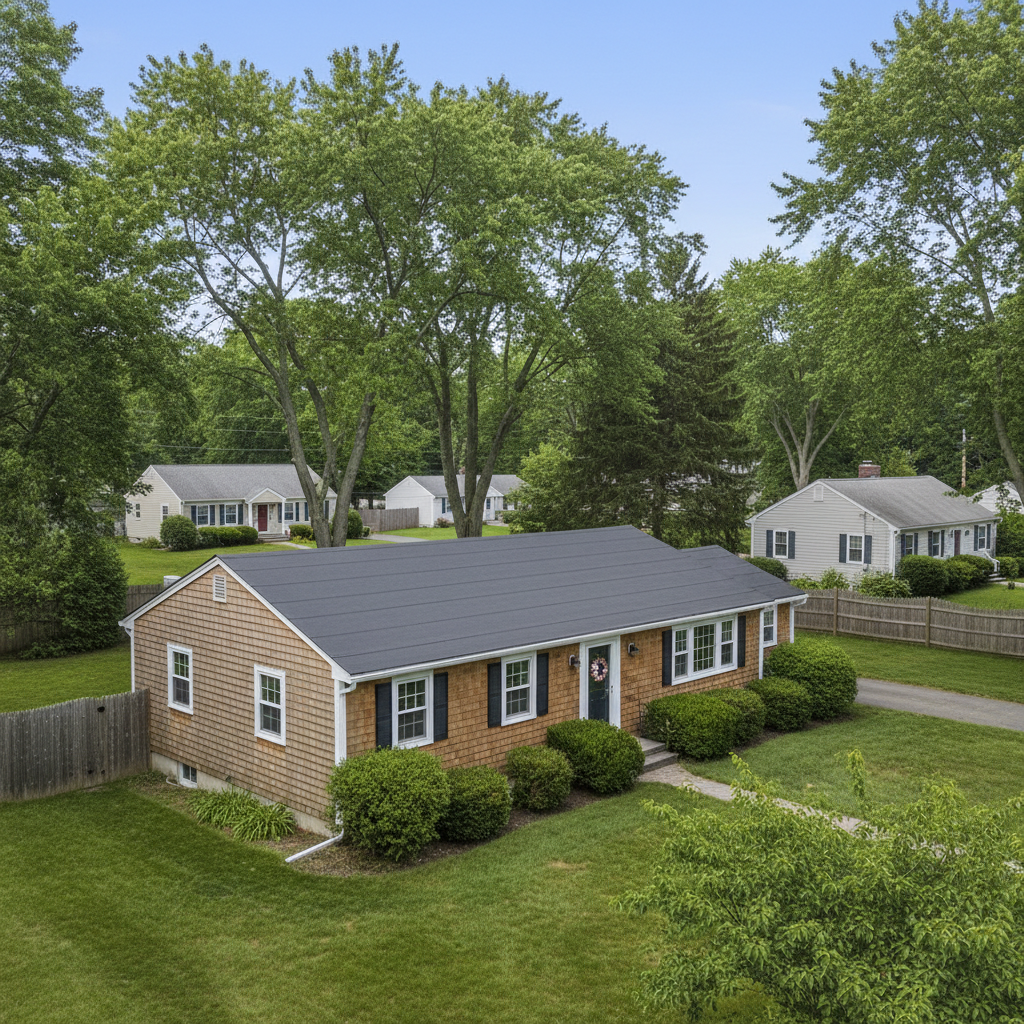
Flat roofs. When you hear that, you probably picture a big commercial building or some super modern, minimalist place, right? But honestly, here in Lexington, you'd be surprised how many homes – especially those classic colonials with additions, or even some of the mid-century moderns tucked away near the Battle Green – actually have flat or low-slope sections. They're not always the main roof, sure, but they're definitely there, and they're super important. And let me tell you, they need a completely different approach than your typical pitched asphalt shingle roof.
Why Flat Roofs Are Different (And Why That Matters Here in Lexington)
The biggest difference, obviously, is the pitch – or, well, the lack of it. A flat roof isn't truly flat; it's designed with a very slight slope to drain water away. But even that tiny slope means water moves a lot slower than it would on a steep roof. This makes choosing the right material and getting the installation just right absolutely critical. If water sits, it's going to find a way in. No question.
Here in New England, we get all four seasons, sometimes all four in one week! That means freezing rain, heavy snow loads, blistering summer sun, and then those brutal freeze-thaw cycles that can really mess with materials. For a flat roof, this constant expansion and contraction, plus the potential for standing water, means you need materials that are tough and flexible. You can't just slap down some shingles and call it done.
Common Flat Roofing Materials We See Around Lexington
You've got a few main players when it comes to flat roofing systems. Each one has its good points and its bad points, and what works for one part of a house might not be right for another.
- EPDM (Ethylene Propylene Diene Monomer): This is your classic 'rubber roof.' It's durable, usually pretty affordable, and fairly easy to install. We see a lot of EPDM on garage roofs, sunrooms, or smaller additions in neighborhoods like Follen Hill, or even some of the older homes in the Merriam Hill area. It handles our cold winters well because it stays flexible, which is a big plus.
- TPO (Thermoplastic Polyolefin): TPO is a single-ply membrane that's become super popular lately. It's often white or light-colored, which reflects sunlight and can really help with energy efficiency – a huge bonus during those hot, humid Lexington summers. It's strong, puncture-resistant, and the seams are heat-welded, which creates a really strong, watertight bond. We use TPO a lot on larger flat roof sections, especially when homeowners are looking for a long-term, low-maintenance solution.
- Modified Bitumen: This is an asphalt-based product, often installed in layers with a torch-down or self-adhesive method. It's tough and has been around for ages. You'll often find this on older flat roofs that are being replaced, or sometimes on smaller, high-traffic areas because it's pretty durable underfoot.
Each of these has its place, really. Choosing the right one depends on the specific job, your budget, and how long you expect it to last. That's where having local expertise truly makes a difference.
Why Local Expertise Isn't Just a Buzzword – It's Essential
Look, any roofer can technically install a flat roof. But knowing the specific challenges of Lexington homes and our local climate? That's a whole different ballgame. I've seen it all, from ice dams backing up on low-slope sections because the drainage wasn't designed right, to improper flashing around chimneys or skylights on flat roofs that then lead to leaks in the dining room below. It's not just about putting down a membrane; it's about understanding the whole system.
For instance, many older Lexington homes, especially those built before the 1970s, might have flat roof sections that weren't originally designed for modern insulation standards. When we're working on those, we're not just replacing the surface; we're often looking at the underlying structure, ventilation, and insulation to make sure the new roof performs its best and prevents issues like condensation or heat loss. We're also familiar with the specific building codes and permitting processes right here in town, which can save you a ton of headaches.
We understand how the heavy, wet snow we get around here can sit on a flat roof for weeks, putting immense stress on the structure and the seams. We know that the intense sun reflecting off a light-colored TPO roof can sometimes cause issues if not properly accounted for in the surrounding areas. These are the kinds of details you only learn from years of working in the same area, right?
Maintenance: Your Flat Roof's Best Friend
Because water moves slower on a flat roof, maintenance is even more critical than on a pitched roof. You absolutely need to make sure drains and gutters are clear of leaves, twigs, and debris, especially after a storm or in the fall. Any standing water is just a problem waiting to happen. I always recommend at least an annual inspection, particularly after winter, to check for any small tears, lifted seams, or signs of wear before they become major leaks.
At Skyline Roofing & Siding, we don't just install roofs; we build relationships. We're right here in Lexington, and we understand the unique demands our homes face. If you've got a flat roof section that's giving you trouble, or you're just curious about the best options for your property, don't hesitate to reach out. We're happy to take a look and give you an honest assessment.