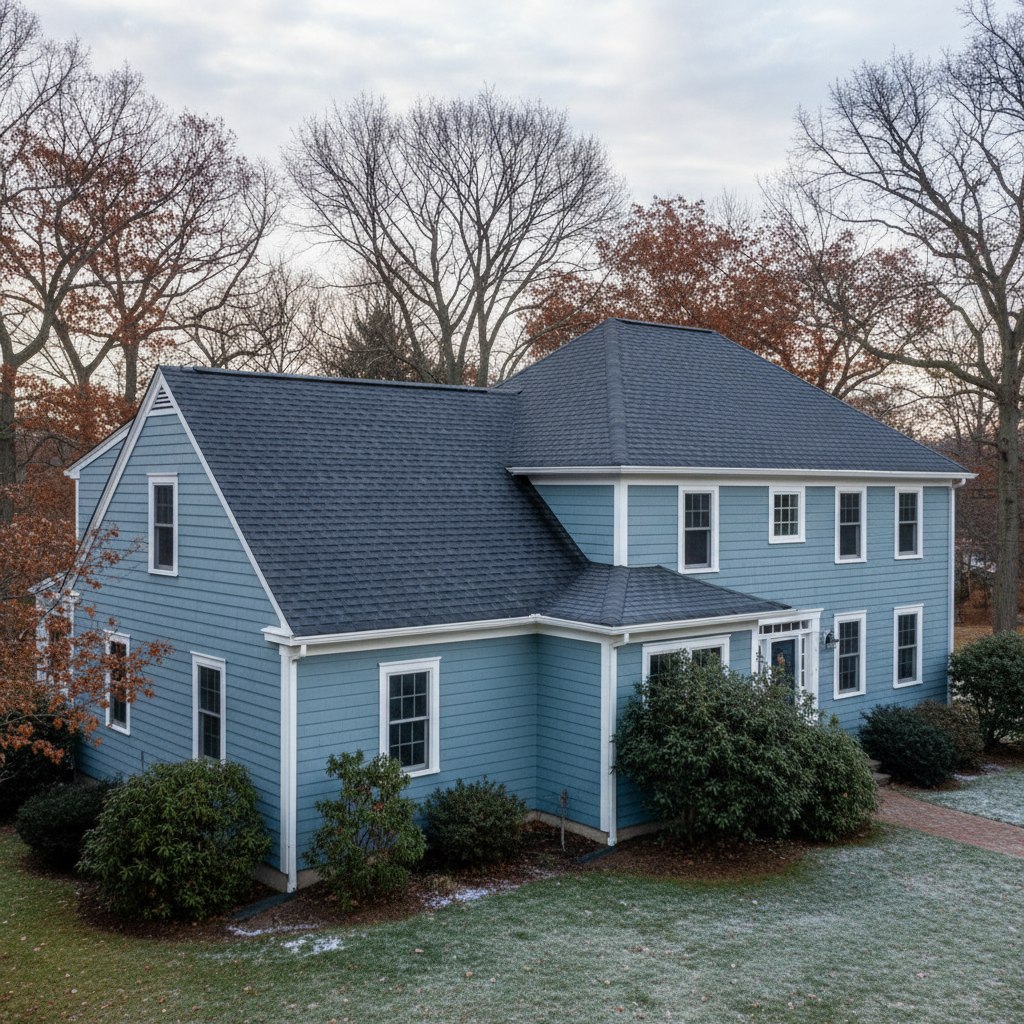
Got a roof problem? Maybe it's a leak, some missing shingles, or just general wear and tear. The big question usually isn't just what's wrong, but when can we fix it? Here in Lexington, where we get a real mix of weather all year, timing your roof repair isn't just about convenience; it's smart planning, plain and simple.
When's the Best Time for Roof Repair?
Honestly, there's no single 'best' time that works for every repair. It really depends on how bad the issue is and what kind of work needs doing. But generally, I tell folks that spring and fall are your prime windows for most non-emergency roof repairs.
- Spring (April-June): Once the snow and ice finally clear out, and the temperatures stay consistently above freezing, it's a great time. The weather is usually pretty mild, making it easier to spot damage that winter's wrath might have hidden. Plus, materials like sealants and adhesives cure properly without extreme cold. You're also getting ahead of those really hot summer days, which can make roof work uncomfortable for the crew and sometimes less efficient.
- Fall (September-November): This is another sweet spot. The intense summer heat has passed, and we're not yet dealing with freezing temperatures or heavy snow. It's perfect for making sure your roof is buttoned up tight before winter hits. Any small issues can become huge problems when ice dams start forming, especially in older homes in areas like the Meriam Hill neighborhood. We often see mature trees there dropping leaves and debris, which can clog gutters and make roof problems even worse.
Now, what about summer and winter? Can you do repairs then? Absolutely, but with a few catches.
- Summer (July-August): It's hot, plain and simple. Working on a roof in 90-degree heat isn't fun, and it can affect how some materials perform. Plus, summer often brings afternoon thunderstorms, which can delay work or make conditions unsafe. We can definitely do repairs, but scheduling might be a bit trickier around the heat and those pop-up storms.
- Winter (December-March): This is the toughest time. Freezing temperatures make shingles brittle, and sealants just don't cure well. Snow and ice can make accessing the roof dangerous and hide underlying damage. Emergency repairs, like fixing a leak, are always possible, but they're often temporary fixes until warmer weather allows for a proper, lasting repair. If you need a full replacement in winter, it's a much more involved process, requiring careful planning and often specialized cold-weather materials.
How Weather Conditions Affect the Work
You might think, 'a roof is a roof, just fix it.' But the weather plays a huge role in how we do our job and how long your repair lasts. It really does.
- Temperature: Like I mentioned, extreme cold makes shingles brittle, and sealants become ineffective. Extreme heat can make asphalt shingles too soft and difficult to work with without damaging them. We really need a Goldilocks zone for optimal results.
- Moisture: Rain, snow, and even heavy dew are no-gos for most roofing work. You can't install new shingles or sealants on a wet surface and expect them to bond properly. That's just a recipe for future problems. We always check the forecast carefully, and sometimes, that means rescheduling to ensure a dry surface.
- Wind: High winds can be dangerous for our crew and can make installing materials like shingles difficult. They can also blow debris around, which isn't safe for your property or our workers.
We're always monitoring the local forecast. Sometimes, that means we have to adjust our schedule. It's not because we don't want to get the job done; it's because we want to do it right, safely, and make sure it lasts.
Protecting Your Investment Year-Round
Your roof is a major investment, and a little proactive care goes a long way. This isn't just about repairs; it's about making sure you don't need as many of them.
- Regular Inspections: Even if you don't see an obvious problem, a yearly check-up (or even twice a year, once after winter and once after summer) can catch small issues before they become big, expensive ones. I've seen countless times where a homeowner could have saved thousands by addressing a loose shingle or a clogged gutter early, you know?
- Clean Gutters: This is a big one, especially with all the mature trees we have around Lexington. Clogged gutters lead to water backing up, which can seep under shingles, rot fascia boards, and contribute to ice dams in winter. Keep 'em clean!
- Trim Trees: Overhanging branches can rub against your roof, scraping off granules, and dropping debris. In a storm, they can break and cause serious damage. Keep those branches trimmed back.
- Ventilation: Proper attic ventilation is crucial year-round. In summer, it helps release hot air, reducing your AC costs and preventing premature shingle aging. In winter, it helps prevent ice dams by keeping the attic temperature closer to the outside temperature.
When you call Skyline Roofing & Siding, you're not just getting a crew; you're getting local folks who understand these specific challenges. We've been working on roofs in this town for years, and we know what our New England weather can dish out. Don't hesitate to reach out if you've got questions or need an assessment. It's always better to be proactive when it comes to your roof.