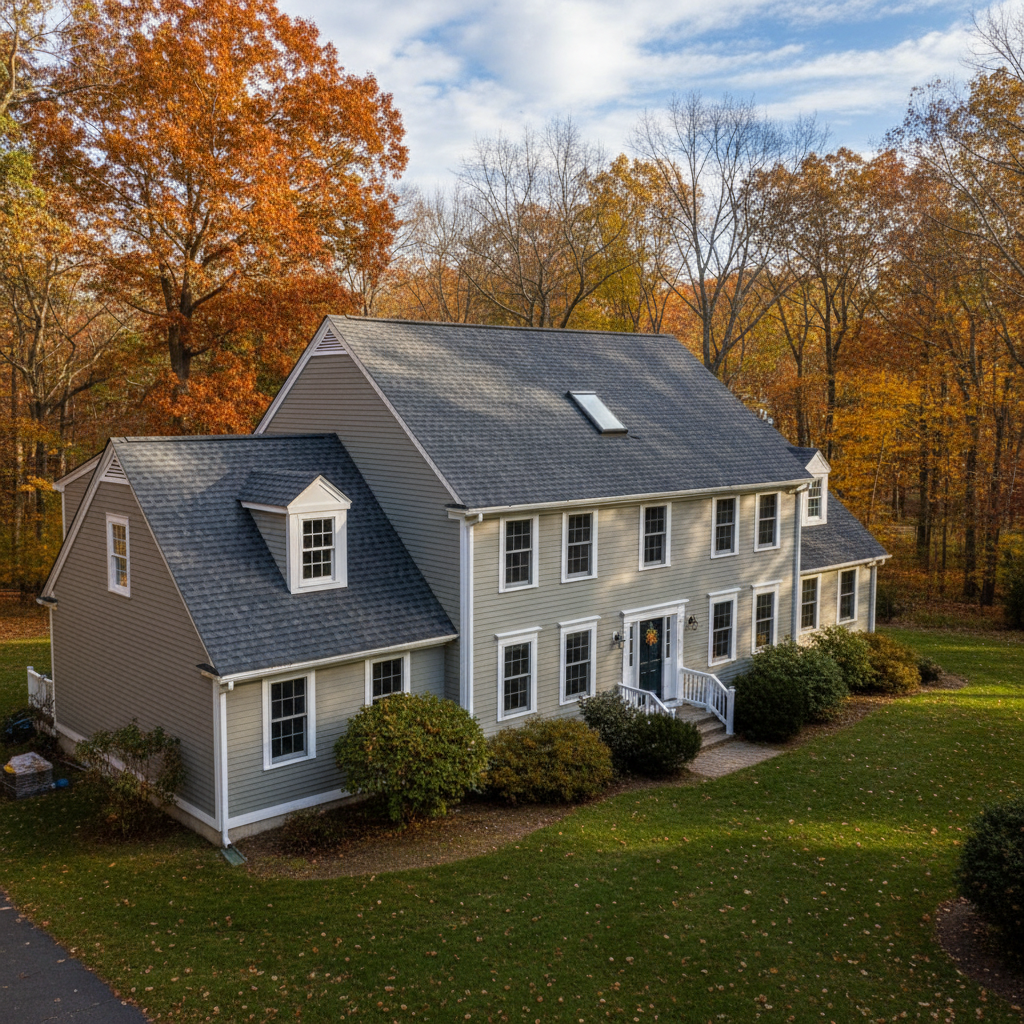
When's the best time to replace your roof here in Lexington? It's a question I get asked a lot, and for good reason. Our New England weather isn't exactly predictable, and that plays a huge role in when you should tackle a big project like a roof replacement. You've got to think about more than just the calendar.
Understanding Our Local Climate's Impact
Lexington, like the rest of Massachusetts, experiences four distinct seasons, and each one brings its own set of challenges and opportunities for roofing work. We're not talking about mild winters or gentle summers here. We get extreme cold, heavy snow, scorching heat, and everything in between. This means the 'ideal' time can be a bit of a moving target, but there are definitely better windows.
For example, those older homes in the Merriam Hill area, with their classic architecture, often have more complex rooflines. You don't want to be dealing with intricate flashing work when it's five degrees out and the wind's whipping. It's just not safe or efficient, and the materials themselves don't behave as well in extreme cold.
When to Schedule Your Roof Replacement
Generally, I tell folks the sweet spot for roof replacement is late spring through early fall. Think May, June, September, and early October. Why these months?
Spring (May-June): The ground has thawed, the heavy rains of April are usually behind us, and temperatures are consistently mild. It's warm enough for sealants and adhesives to cure properly, but not so hot that working on a black roof becomes a health hazard for my crew. Plus, we're usually past the worst of the pollen, which can be a nuisance.
Summer (July-August): It can get pretty hot, and that means a hotter roof deck. While we can certainly work, the heat can make things tougher on the crew and sometimes affect how quickly materials set. If you need it done in summer, we'll do it, but we'll be starting early and taking extra precautions.
Fall (September-October): This is arguably the best time. The temperatures are perfect – not too hot, not too cold. The air is drier, which is great for materials, and we're usually ahead of the first serious snowfalls. It's a race against the clock before winter sets in, but it's a good race.
Winter (November-April): We try to avoid major roof replacements in the dead of winter if possible. Extreme cold makes shingles brittle, sealants don't adhere well, and ice and snow create dangerous working conditions. Plus, if we have to tear off a roof and then a sudden blizzard hits, your home is exposed. We'll do emergency repairs, absolutely, but a full replacement? We'd rather wait for safer, more effective conditions. You don't want us rushing a job because a Nor'easter is coming.
Weather Conditions That Affect the Work
Beyond just the season, specific weather conditions can halt or delay a job. You need to know this upfront so you're not surprised.
Rain: Obvious one. We can't tear off your old roof or install new underlayment and shingles in the rain. Your home would get soaked. We'll always keep an eye on the forecast and communicate any delays.
High Winds: Strong winds are a safety hazard for the crew and can make it impossible to properly install shingles, especially if they're blowing around before they're nailed down. It can also send debris flying, which is a big no-no.
Extreme Cold: As I mentioned, cold makes materials stiff and brittle. Shingles can crack, and sealants won't bond correctly. We have minimum temperature requirements for installation to ensure the warranty holds up.
Extreme Heat: While less disruptive than cold, very high temperatures can make shingles too pliable, and walking on them can scuff or damage them before they've fully settled. It also puts a lot of strain on the crew.
Protecting Your Investment Year-Round
Once you've got that beautiful new roof from Skyline Roofing & Siding, you want to make sure it lasts. Here's how you protect that investment:
Regular Inspections: I recommend a visual check-up at least twice a year, usually in the spring and fall. Look for missing or damaged shingles, debris buildup, or any signs of wear. Better yet, have a professional do it.
Clean Gutters: Clogged gutters are a huge problem. They cause water to back up, leading to ice dams in winter and rot in summer. Keep 'em clear.
Trim Trees: Overhanging branches can scrape shingles, drop leaves and debris, and become a hazard during storms. Keep them trimmed back from your roofline.
Address Repairs Promptly: Don't put off small repairs. A tiny leak can turn into a massive, expensive problem if left unchecked. If you see something, say something.
Choosing the right time for your roof replacement isn't just about convenience; it's about ensuring the quality and longevity of the work. We're here to help you navigate our local climate and make the best decision for your home.