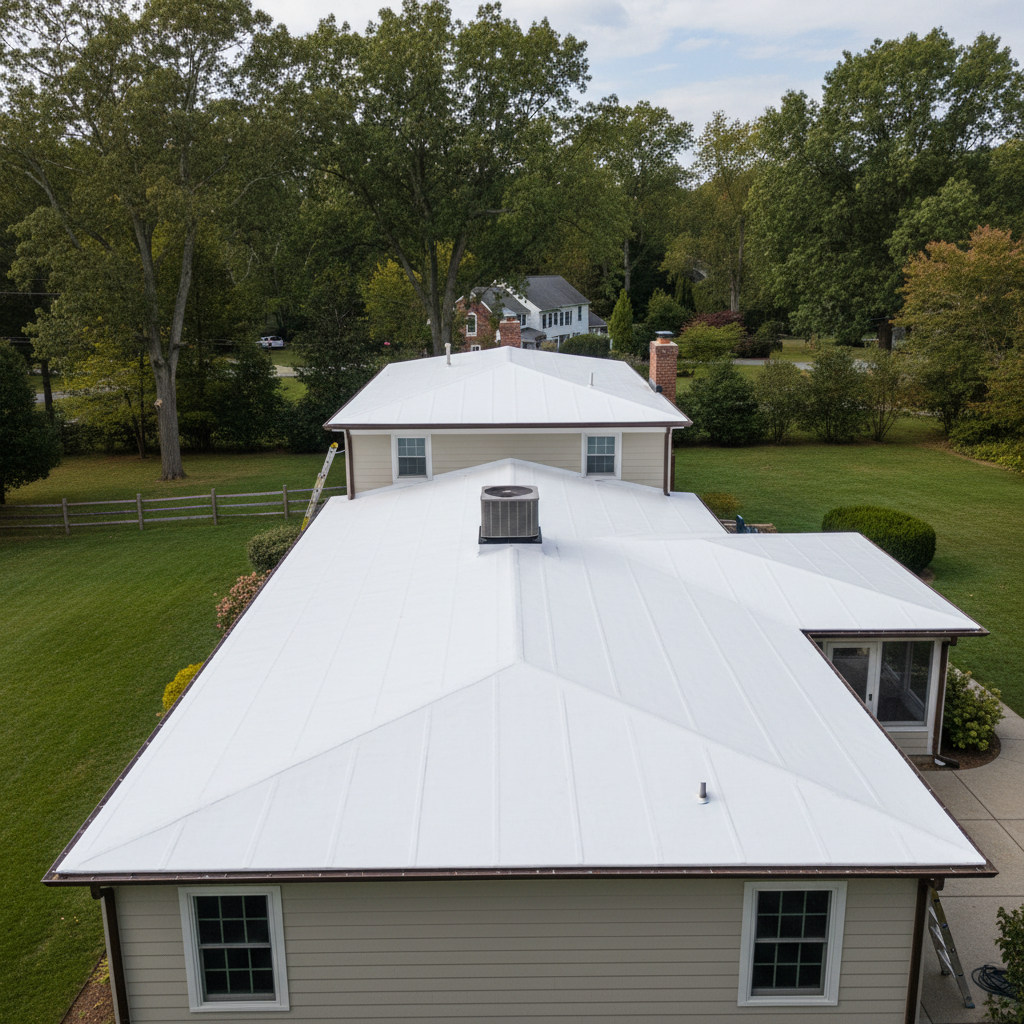
Alright, let's talk TPO roofing. If you own a commercial building here in Lexington – maybe a small office building, a retail spot, or even a multi-family complex with a flat roof – you've probably considered TPO. It's a great material, really durable, energy-efficient, and can last a long time. But I've seen folks make some pretty big blunders when they're planning or hiring for these projects, and it ends up costing them a lot of money and headaches down the line.
Mistake #1: Not Understanding Your Roof's Specific Needs
This is probably the biggest one. You can't just say, "I need a TPO roof." Every commercial roof is different. Is it a re-roof over an existing system, or a full tear-off down to the deck? What's the current insulation like? Does it meet today's R-value requirements? What kind of foot traffic does the roof see? Are there a lot of HVAC units, skylights, or other penetrations?
For example, some of the older commercial buildings around Massachusetts Avenue, especially those built in the 60s or 70s, might have multiple layers of old roofing material underneath. Just slapping TPO over that without addressing the underlying issues – like trapped moisture or structural concerns – is a recipe for disaster. You'll get bubbles, leaks, and a much shorter lifespan for your new roof. A good contractor, like us at Skyline Roofing & Siding, will do a thorough inspection and give you an honest assessment of what's really needed, not just what's easiest.
Mistake #2: Focusing Only on the Lowest Bid
Look, I get it. Money talks. But with commercial roofing, the cheapest bid is almost never the best value. TPO installation is a skilled trade. It's not just rolling out material; it's about proper seam welding, flashing details around every penetration, and ensuring the right adhesion for our New England weather, which can go from freezing rain to scorching sun in a single week. A low bid often means corners are being cut somewhere.
- Maybe they're using thinner gauge material than recommended.
- They might be skimping on fasteners or adhesive.
- They could be hiring inexperienced crews who rush the job.
- They might not be including proper permits, which can come back to bite you.
Ask for detailed proposals. Compare apples to apples. If one bid is significantly lower than the others, ask *why*. Don't be afraid to question it.
Mistake #3: Ignoring Manufacturer Specifications and Warranties
TPO manufacturers like GAF, Carlisle, or Firestone have very specific installation guidelines. These aren't suggestions; they're requirements for the warranty to be valid. I've seen contractors deviate from these, thinking they know better, and then when there's an issue a few years down the road, the manufacturer denies the warranty claim because the installation wasn't done to spec.
Always ask about the warranty. Is it a material warranty, or a full system warranty that includes labor? Who backs it – the contractor or the manufacturer? A reputable contractor will be certified by the TPO manufacturer to install their products, which often means they can offer enhanced warranties. That's a huge peace of mind for a commercial property owner.
Mistake #4: Not Checking References or Insurance
This sounds basic, but you'd be surprised how many people skip it. For a commercial project, the stakes are higher. You've got tenants, inventory, and business operations that can be severely impacted by a bad roof job. Always ask for references from other commercial clients. Call them. Ask about the contractor's professionalism, timeliness, and how they handled any issues that came up.
And insurance? Non-negotiable. Make sure they have adequate liability insurance and workers' compensation. Ask for a certificate of insurance directly from their insurance carrier, not just a copy from the contractor. If a worker gets hurt on your property and the contractor isn't properly insured, you could be held liable. It's a risk you absolutely cannot afford to take.
Mistake #5: Poor Communication and Project Management
A commercial TPO project can be complex. There's often staging of materials, coordinating with your business hours, managing noise, and ensuring safety. If your contractor isn't communicating clearly from the start – about timelines, potential disruptions, or unexpected issues – that's a red flag. You need a project manager who's responsive and keeps you in the loop.
We always make sure our clients know what to expect every step of the way. We understand that a commercial roof replacement isn't just a construction project; it's an operation that impacts your business. We plan around your schedule as much as possible to minimize disruption.
Choosing a TPO roof for your commercial property is a smart investment when done right. Just make sure you're doing your homework and partnering with a contractor who knows what they're doing and has your best interests at heart. Don't learn these lessons the hard way.